

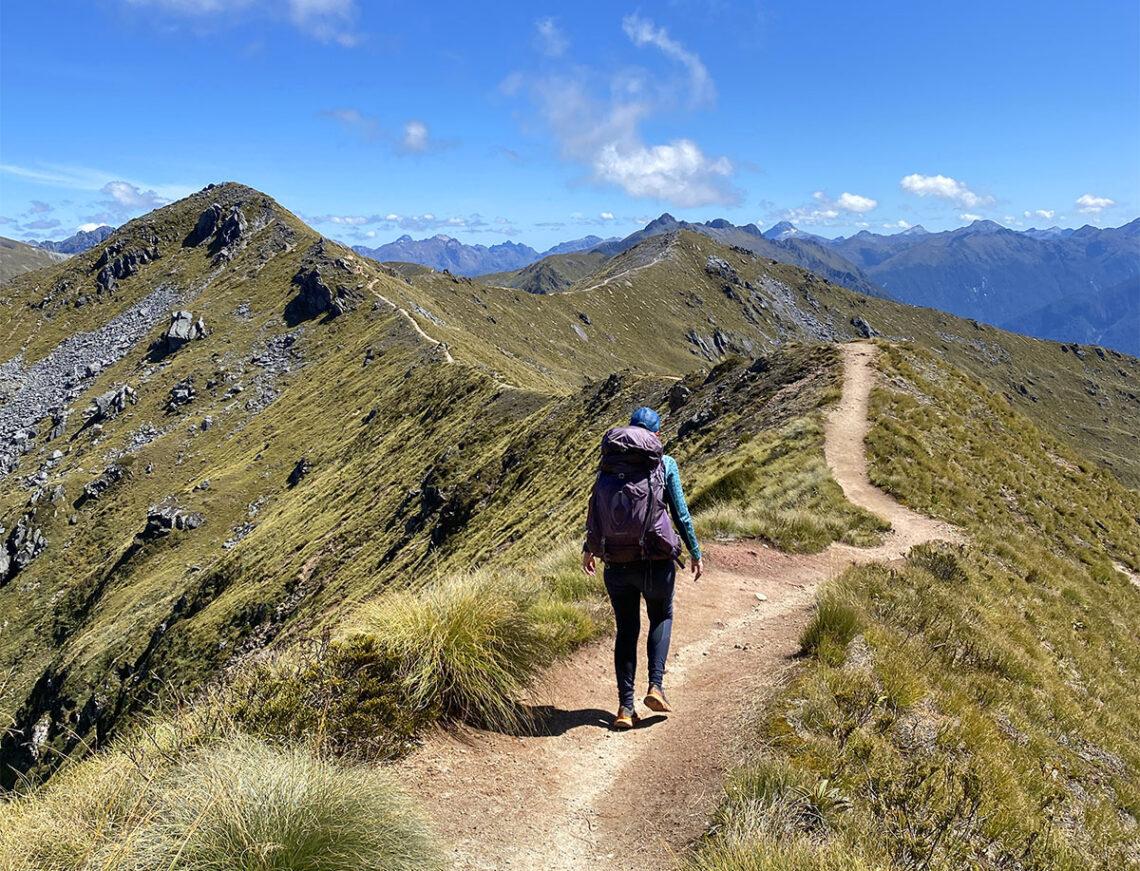
Long-distance foot travel offers an immersive perspective on the diverse landscapes and cultures of our planet. Moving away from localized day hikes and venturing into multi-day expeditions transforms your relationship with the natural world. On an extended trail, the modern concepts of time, screens, and urban urgency fade away, replaced by the fundamental rhythms of sunrise, physical exertion, and camp preparation.
Embarking on a multi-day trek requires systematic logistical planning, physical conditioning, and deep respect for the remote environments you cross. Across the globe, specific historic pathways, high-altitude passes, and coastal routes stand out as definitive tests of endurance and self-reliance. This comprehensive exploration profiles top-tier long-distance trekking routes across diverse continents, detailing their geographical characteristics, logistical challenges, and unique terrain features.
North America: The Rugged Backcountry of the Pacific Northwest
The Pacific Northwest contains some of the most structurally complex and ecologically diverse wilderness areas in the Western Hemisphere. While the continent is famous for its massive triple-crown national scenic trails, shorter multi-day loops provide high-density alpine beauty without requiring months of consecutive trail time.
The Wonderland Trail
Circling the base of Mount Rainier in Washington State, the Wonderland Trail is a challenging route that measures approximately ninety-three miles. It requires hikers to navigate continuous, dramatic shifts in elevation, totaling over twenty-three thousand feet of cumulative ascent and descent as the path crosses glacial river valleys and alpine ridges.
-
Terrain Dynamics: Trekkers move through dense, temperate old-growth forests, open subalpine meadows filled with seasonal wildflowers, and stark, rocky fields adjacent to massive active glaciers.
-
Logistical Requirements: Due to the fragile ecosystem and high popularity, a strict wilderness permit system regulates camp usage along the trail. Hikers must secure permits months in advance or attempt to obtain a walk-up reservation at a ranger station.
-
Resupply Strategy: Because the trail forms a complete loop, hikers can pre-cache food drops at specific ranger stations, such as Longmire or Mowich Lake, to dramatically reduce the physical weight of their backpacks.
South America: The High Altitudes of the Peruvian Andes
The Andes Mountains define the western spine of South America, offering some of the most visually stunning high-altitude trekking environments on Earth. While the classic Inca Trail remains a popular historical route, alternative paths provide deeper isolation and raw geological grandeur.
The Huayhuash Circuit
Located in the central Peruvian Andes, the Cordillera Huayhuash Circuit is widely considered one of the premier alpine treks in the world. Spanning roughly eighty-five miles, the standard route remains consistently above thirteen thousand feet, crossing multiple mountain passes that exceed fifteen thousand, five hundred feet in elevation.
-
Glacial Peaks and Turquoise Lakes: The circuit encircles the massive peaks of the Huayhuash range, including Yerupaja, the second-highest mountain in Peru. Trekkers are rewarded with close views of ice falls and crystalline glacial lakes like Carhuacocha and Jahuacocha.
-
Acclimatization Priority: The greatest challenge of this route is the extreme altitude. Attempting the trek without spending a minimum of three to four days acclimatizing in the nearby city of Huaraz carries a severe risk of acute mountain sickness.
-
Community-Based Tourism: The trail passes through individual rural communities that manage the campsites and collect localized entry fees. These funds directly support regional infrastructure, trail maintenance, and security protocols.
Europe: The Classic Alpine Grand Tour
European trekking is uniquely characterized by its balance of rugged, technical mountain passes and refined trailside infrastructure. The continent boasts a highly developed system of mountain huts, allowing hikers to cover vast distances without carrying heavy tent setups or weeks of dehydrated food.
Tour du Mont Blanc
The Tour du Mont Blanc is Europe’s premier long-distance circuit, weaving roughly more than one hundred miles through France, Italy, and Switzerland. The route loops entirely around the Mont Blanc massif, offering a masterclass in classic alpine scenery, distinct cultural transitions, and demanding daily ascents.
+-------------------+-------------------+-------------------+
| Country Section   | Iconic Viewpoint  | Cultural Specialty|
+-------------------+-------------------+-------------------+
| France            | Chamonix Valley,  | Classic Savoyard  |
|                   | Col du Bonhomme   | cheeses and tarts |
+-------------------+-------------------+-------------------+
| Italy             | Val Ferret,       | Rich espresso and |
|                   | Rifugio Bonatti   | hearty polenta    |
+-------------------+-------------------+-------------------+
| Switzerland       | Bovine route,     | Traditional rosti |
|                   | Champex-Lac       | and Swiss chocolate|
+-------------------+-------------------+-------------------+
-
The Refugio Culture: One of the most distinctive elements of this trek is the network of staffed mountain huts. Hikers can reserve a dormitory bed and receive warm, multi-course regional dinners every evening, allowing for a significantly lighter pack profile.
-
Trail Accessibility: The route is highly accessible, with numerous entry and exit points connected by local bus networks and alpine cable cars. This enables trekkers to customize their daily stages based on physical capability or changing weather conditions.
Oceania: The Primeval Rainforests of Papua New Guinea
The island networks of Oceania present wilderness tracking opportunities defined by dense tropical canopies, intense humidity, and profound historical significance.
The Kokoda Track
Winding sixty miles through the rugged Owen Stanley Range in Papua New Guinea, the Kokoda Track is an intense emotional and physical journey. The single-file trail crosses deep wilderness corridors that saw intense military conflict during the Second World War.
-
Physical Obstacles: The track consists of a continuous series of steep ridges and deep, muddy valleys. Hikers must contend with persistent tropical humidity, sudden torrential downpours, slick clay surfaces, and log-bridge river crossings.
-
Cultural Interactivity: Trekkers pass through remote indigenous villages where traditional lifestyles remain largely unchanged. Hiring local guides and porters is highly recommended, as they provide critical pathfinding knowledge and foster safe cultural exchanges.
-
Health and Safety: Due to the remote tropical setting, hikers must take strict medical precautions, including malaria prophylaxis, comprehensive water purification treatments, and advanced first-aid preparations for infections.
Africa: The Volcanic Desolation of the Dragon Mountains
Africa offers trekking experiences that diverge significantly from standard savannah safaris, featuring ancient geology and high-altitude plateaus.
The Drakensberg Grand Traverse
Located in South Africa and Lesotho, the Drakensberg Grand Traverse is an unofficial, self-navigated wilderness route across the highest peaks of the Drakensberg range. Covering approximately one hundred and thirty-five miles, this trek lacks a formalized, marked single trail, requiring advanced navigation skills.
-
The Amphitheatre and Tugela Falls: The route begins by ascending the northern escarpment via chain ladders bolted into vertical rock faces, bringing hikers to the top of the famous Amphitheatre cliff wall, where Tugela Falls drops thousands of feet.
-
Navigation Complexity: Because there is no established path, trekkers must rely entirely on topographic maps, compasses, and GPS coordinates to navigate the vast, wind-swept basalt plateau.
-
Extreme Weather Vulnerability: The plateau is prone to volatile weather shifts. Bright morning sunshine can instantly give way to dense afternoon fog, violent electrical thunderstorms, or sudden freezing blizzards, even during the summer months.
Essential Expedition Preparation Framework
Successfully completing any multi-day trek depends on three pillars: rigorous physical conditioning, intentional gear selection, and a committed leave-no-trace ethic.
-
Physical Conditioning: Focus training on weighted stair climbing, eccentric leg strength to protect knees during long descents, and core stability exercises to handle an expedition-weight backpack over uneven terrain.
-
The Layering System: Avoid heavy cotton fabrics. Instead, utilize a modular technical clothing system consisting of a moisture-wicking merino wool or synthetic base layer, an insulating mid-layer, and a breathable, fully waterproof outer shell.
-
Environmental Responsibility: Pack out every single piece of waste generated, protect pristine water sources by using biodegradable soap far inland from the water edge, and respect local wildlife by storing food in certified animal-resistant containers.
Frequently Asked Questions
What is the difference between a thru-hike and a section-hike?
A thru-hike refers to completing an entire long-distance trail from end to end in a single, continuous journey within a single season. A section-hike involves breaking a long trail down into smaller, manageable pieces and completing those individual segments over the course of multiple separate trips spanning months or even years.
How do I accurately calculate my daily water needs on a remote trail?
As a general baseline, a hiker requires roughly one liter of water for every two to three hours of strenuous trekking in moderate weather. This requirement scales up considerably in hot climates or high altitudes. You must cross-reference your topographical map with verified water sources before setting out, and always carry a primary filtration system along with a backup chemical purification method.
Should I choose leather boots or lightweight trail running shoes for a multi-day trek?
This choice depends on your pack weight and your ankle strength. Traditional leather boots provide structural ankle support and protection against sharp rocks, making them ideal for carrying heavy expedition loads over unmaintained trails. Lightweight trail running shoes dry much faster, reduce overall foot fatigue, and work excellently for hikers carrying ultralight gear setups on well-graded pathways.
What are the primary signs of acute mountain sickness and how is it treated?
Initial symptoms of acute mountain sickness include a persistent throbbing headache, dizziness, nausea, fatigue, and loss of appetite. The primary and most effective treatment is to immediately stop ascending and, if symptoms do not improve within a few hours, safely descend to a lower elevation. Failing to address early signs can lead to severe, life-threatening medical emergencies.
How do trekkers manage electronic power needs on multi-week trails?
To maintain power for critical navigation smartphones, satellite messengers, and camera gear, trekkers rely on high-capacity portable power banks, typically ranging from ten thousand to twenty thousand milliampere-hours. In sunny, uncanopied environments like alpine plateaus or deserts, lightweight solar panels can be strapped to the top of the backpack to recharge devices on the move.
What is the most effective way to prevent debilitating foot blisters during long days on the trail?
Blisters are caused by friction, moisture, and heat. Ensure your footwear is thoroughly broken in weeks before the trek begins. Wear high-quality moisture-wicking wool blend socks, and consider using a thin liner sock to absorb internal friction. The moment you feel a hot spot developing on your foot, stop hiking immediately to apply protective athletic tape or blister pads before an actual blister forms.
